The Challenge

Unchanged since the 1930s.

The traditional Foley catheter is one of the most widely used medical devices in the world. Despite continuing urologic injuries and complications associated with use of the Foley, there has been very little improvement or change in the product since its development and commercialization in the 1930s.

Patients with altered mental status are at the highest risk of pulling out their catheters with the balloon still inflated — causing urethral and bladder damage, excessive bleeding, and infection.

Catheter pullout complications can result in extended hospital stays, additional procedures, and significantly increased costs for healthcare systems.

>700K
Urinary catheters pulled out each year with balloons inflated
$4.5B
Annual expense to treat injuries caused by catheter pullouts
4x
Higher risk of developing a UTI from a catheter complication
90+
Years since the Foley catheter was first commercialized
The Scale of the Problem

Every 45 seconds, another pullout.

In the U.S., a Foley catheter is pulled out with the balloon still inflated roughly every 45 seconds — around the clock, every day, all year long.

45sec
Average time between catheter pullout events in the U.S.
1
every 45 seconds
0
every hour
0
every day
>700,000
every year
Catheters pulled out since you opened this page
0
Another catheter is accidentally pulled out every ~45 seconds, in real time.

In the time it took you to read this sentence, another catheter was pulled out with the balloon still inflated. It happens around the clock — 24 hours a day, 365 days a year — in hospitals across the United States.

Who Is At Risk

The consequences extend across
the care continuum.

Patients

Urologic injuries

Catheter pullouts can result in urethral and bladder damage, excessive bleeding, and infection. Patients with cognitive impairments — dementia, delirium — are at highest risk.

Care Teams

Additional burden

Healthcare staff face additional workload managing preventable pullout injuries, including catheter reinsertion, wound care, and extended monitoring of affected patients.

Hospitals

$4.5 billion annual cost

The annual expense to treat injuries caused by catheter pullouts is $4.5 billion. Additional costs include long-term injuries such as urethral strictures and healthcare staff burden.

So We Built a Solution

A 90-year-old problem needed a new answer.

Every number on this page represents a preventable pullout event. The Egress AutoValve™ is the first Foley catheter designed to automatically deflate the moment a patient pulls on it — stopping the injury before it starts.

See How It Works
The Solution

The Egress AutoValve™ was designed to solve this problem.
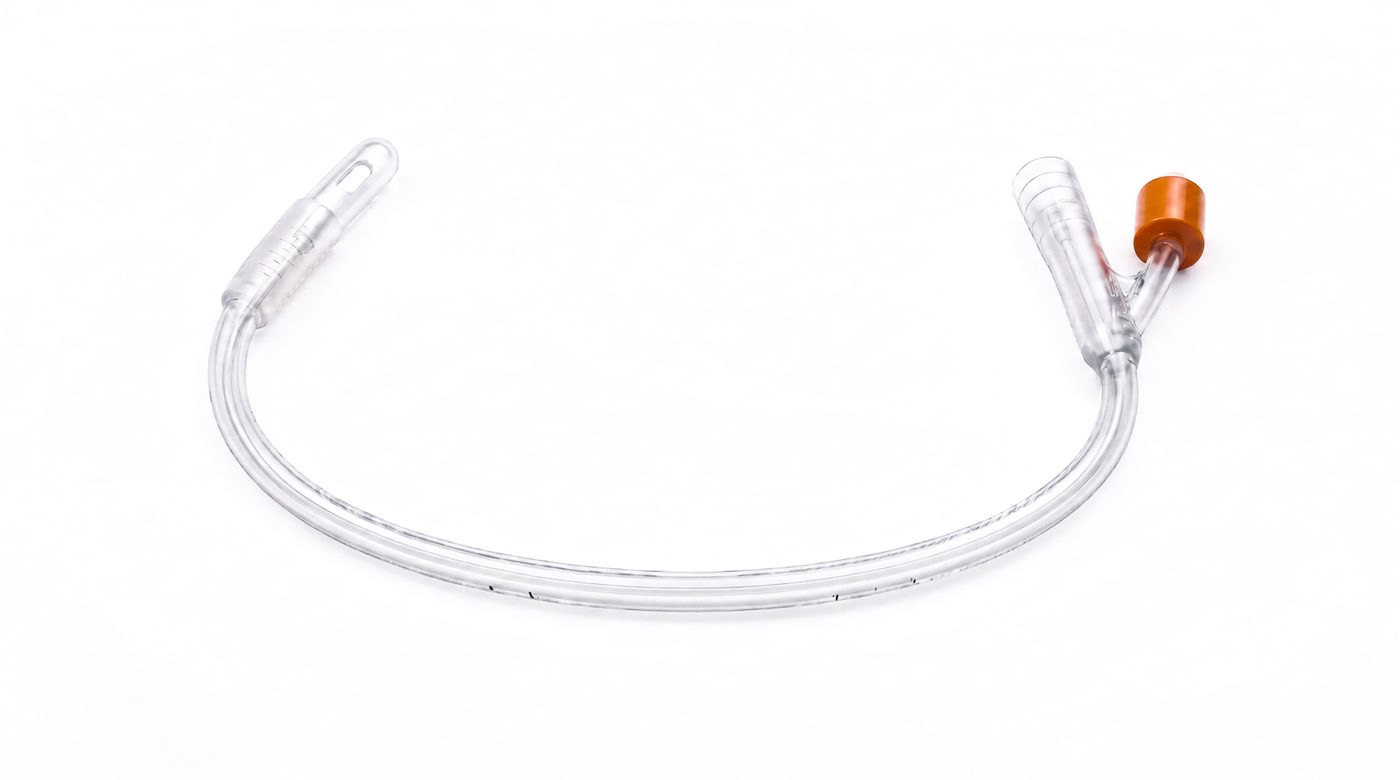
Egress AutoValve detail

Automatic deflation on pullout.

The Egress is the first urinary safety catheter designed to automatically deflate if pulled out with the balloon inflated — preventing the urethral trauma, bleeding, and complications that occur with forced removal.

Explore the Technology
For Patients & Families

If your loved one needs a catheter.

If a family member is in the ICU, recovering from surgery, or living with dementia or delirium, they may be at higher risk of accidentally pulling out their urinary catheter — which can cause serious injury.

The Egress Safety Catheter was designed with these patients in mind. It looks and works like a standard catheter, but thanks to the integrated Egress AutoValve™, if it's pulled, the balloon automatically releases — preventing the trauma that traditional catheters can cause.

Have a question about the Egress Safety Catheter for your family member? Reach out to our team — patients, families, and caregivers are always welcome.

Every patient deserves safety and comfort.

Contact our team to learn how the Egress AutoValve™ can help protect your most vulnerable patients.

Contact Us View Technology
Contact Us