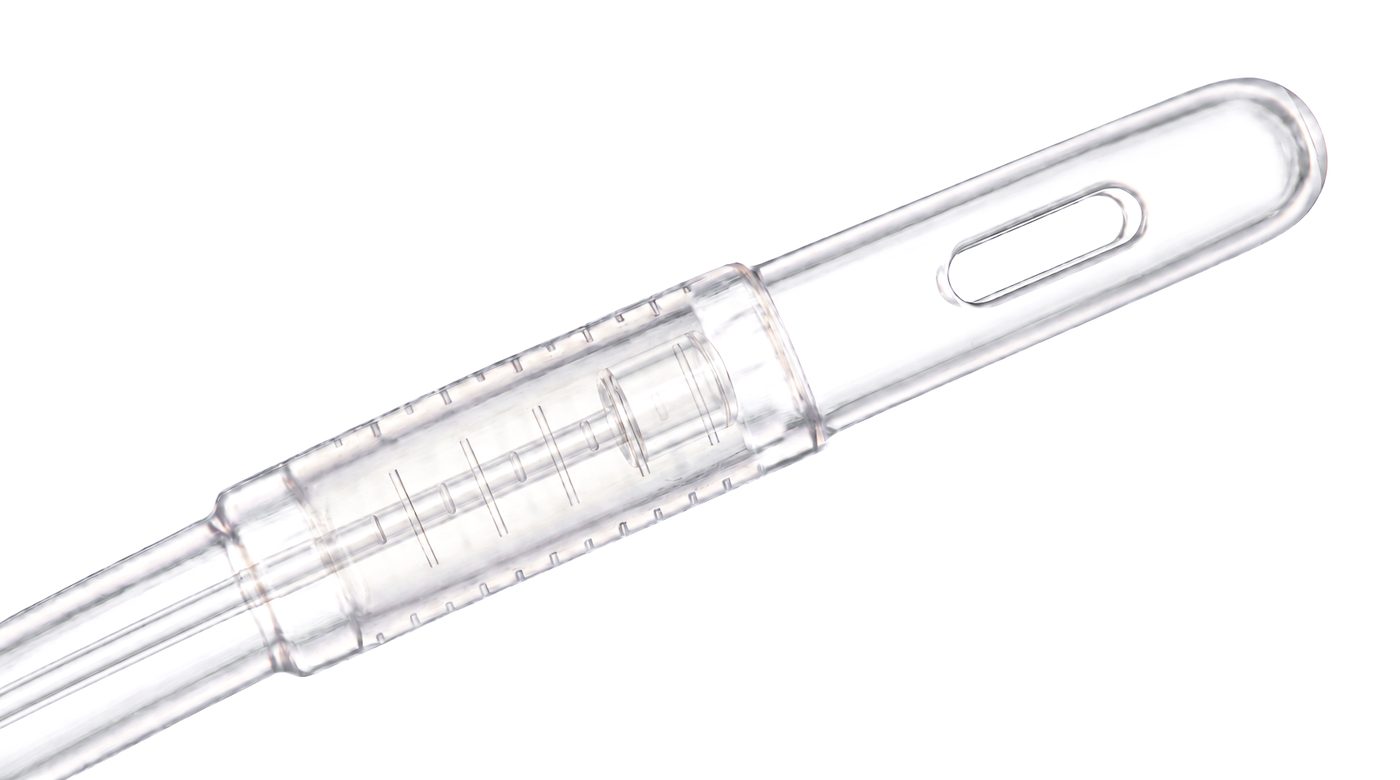
The design
The Egress AutoValve™ is integrated into the inflation lumen of the device. The valve remains inactive unless an external pulling force above the predetermined threshold is applied.
The first Foley catheter with an integrated valve designed to automatically deflate the balloon if pulled out while still inflated.
The Egress Safety Catheter represents a breakthrough in patient care — the first Foley catheter with an integrated valve designed to automatically deflate the balloon if pulled out while still inflated.
The pulling force activates the Egress AutoValve™, a secondary deflation mechanism that automatically deflates the balloon prior to forced removal. The device is FDA cleared under a new classification code for "Foley Catheters and Accessories with Additional Safety Features," the first-ever device under this new code.
Designed to look and feel like a standard Foley catheter, clinicians can seamlessly integrate the Egress Safety Catheter into practice without additional supplies or preparation.
The Egress AutoValve™ has been cleared by the FDA under a brand-new product classification code recognizing Foley Catheters and Accessories with Additional Safety Features (SCT).
Designed to look and feel like a standard Foley catheter, clinicians can seamlessly integrate the Egress AutoValve™ into practice without additional supplies or preparation.
Patients with cognitive impairments, such as dementia or delirium, are at the highest risk of pulling out their catheters. All patients deserve safety and comfort.
The Egress AutoValve™ is integrated into the inflation lumen of the device. The valve remains inactive unless an external pulling force above the predetermined threshold is applied.
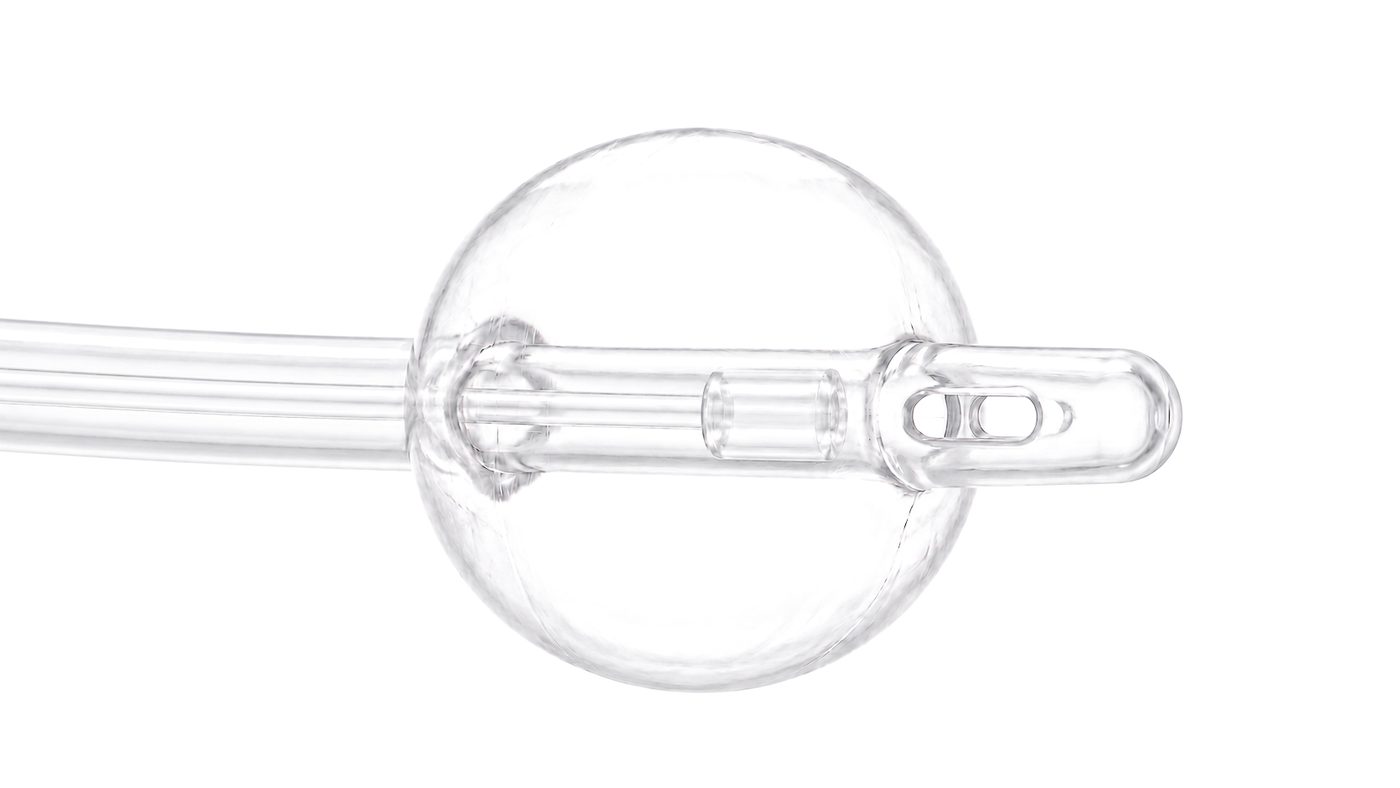
The pulling force activates the secondary deflation mechanism, automatically deflating the balloon prior to forced removal.
The Egress is designed for better outcomes for high-risk patients with cognitive impairments, providing a necessary advancement for a vulnerable population in need of a dependable option beyond the traditional Foley catheter.
A traditional urinary catheter has a retention balloon inflated in the bladder that holds the catheter in place. If a patient pulls on the catheter while that balloon is still full, it can cause serious injury — especially in patients who are confused, agitated, or recovering from surgery.
The Egress Safety Catheter is built differently. It still has a retention balloon, but it also features an integrated valve — the Egress AutoValve™ — designed so that if someone pulls on the catheter, the balloon automatically deflates and empties before any harm is done. Removal with the balloon deflated may lead to a safer patient outcome, and care may continue without significant delay.
For families with a loved one in the ICU or living with dementia or delirium, that's the difference between a routine recovery and a preventable injury.
| Product Code | Tip Shape | Specifications | Material |
|---|---|---|---|
| ESC1610ST | Straight | 2-Way, 16Fr, 10mL | Silicone |
| ESC1610CT | Coudé | 2-Way, 16Fr, 10mL | Silicone |
Contact our team to request product information, clinical evidence, or schedule a product demonstration.